The Complete Guide to Moe's Nutrition
Eating well at a fast-casual restaurant like Moe's Southwest Grill comes down to one thing: understanding what goes into your meal before you order. A burrito can range from a lean, 400-calorie source of protein to a 1,200-calorie sodium bomb depending entirely on the ingredients you choose. The calculator above exists to remove that guesswork, but knowing the principles behind the numbers is what lets you make confident choices every time you visit. This guide walks through how Moe's meals are built, where the calories hide, and how to adjust any order to fit your goals, whether that's weight loss, muscle gain, or simply eating with more awareness.
How a Moe's Meal Is Built
Every order starts with a base: a burrito wrapped in a 12-inch flour tortilla, a bowl (the same fillings without the tortilla), quesadillas, tacos, a salad, or nachos. From there you layer on a protein, then toppings (rice, beans, cheese, guacamole, salsas), and finally sauces and sides. Each layer adds calories, macronutrients, and sodium in predictable ways:
- The tortilla is the single biggest swing factor. A 12-inch flour tortilla adds roughly 300 calories and about 49g of carbohydrates before you've added a single filling. Switching from a burrito to a bowl is the fastest way to cut calories without giving up any flavor.
- Proteins vary widely. Adobo chicken is lean and high in protein, while steak and ground beef carry more saturated fat. Tofu is the lowest-calorie protein and a solid plant-based choice.
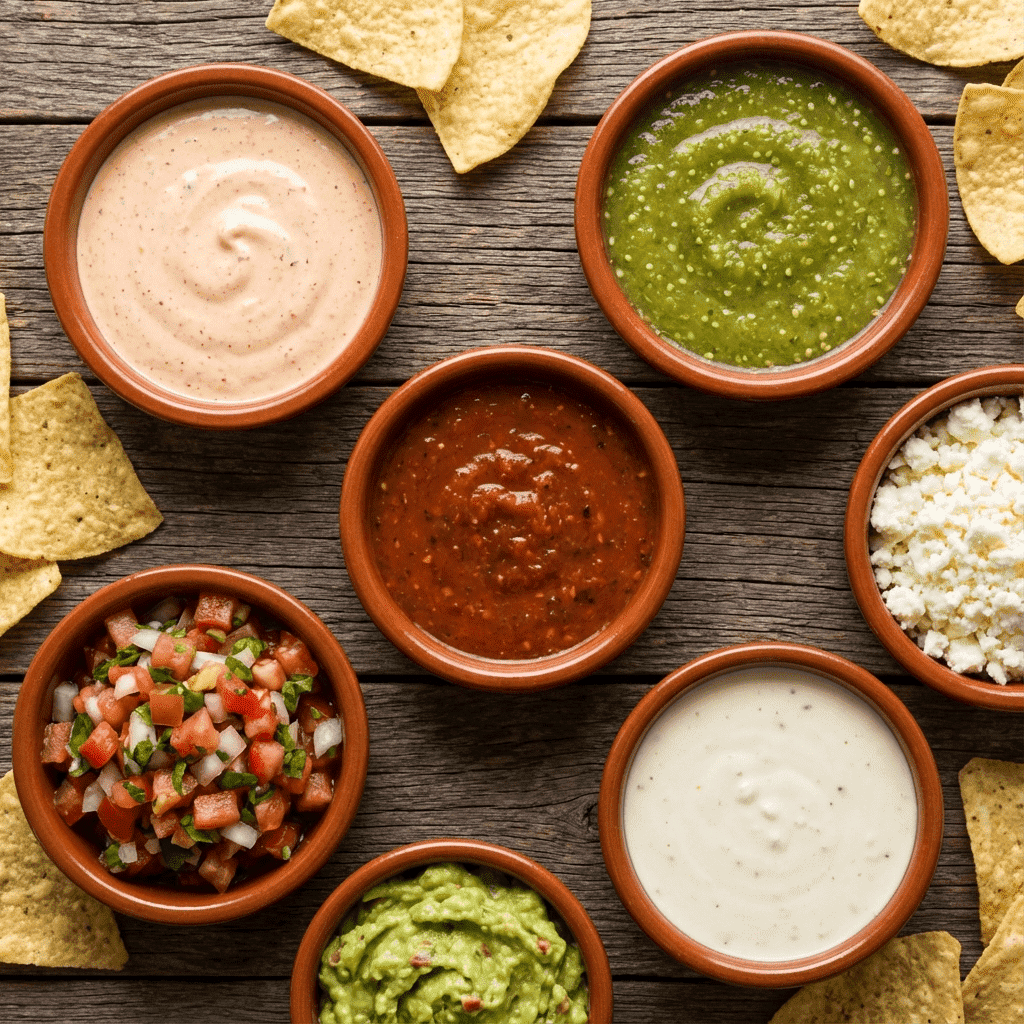
- Toppings are where meals quietly grow. Rice, cheese, sour cream, and guacamole are calorie-dense. Fresh vegetables, pico de gallo, and salsas add flavor and volume for almost nothing.
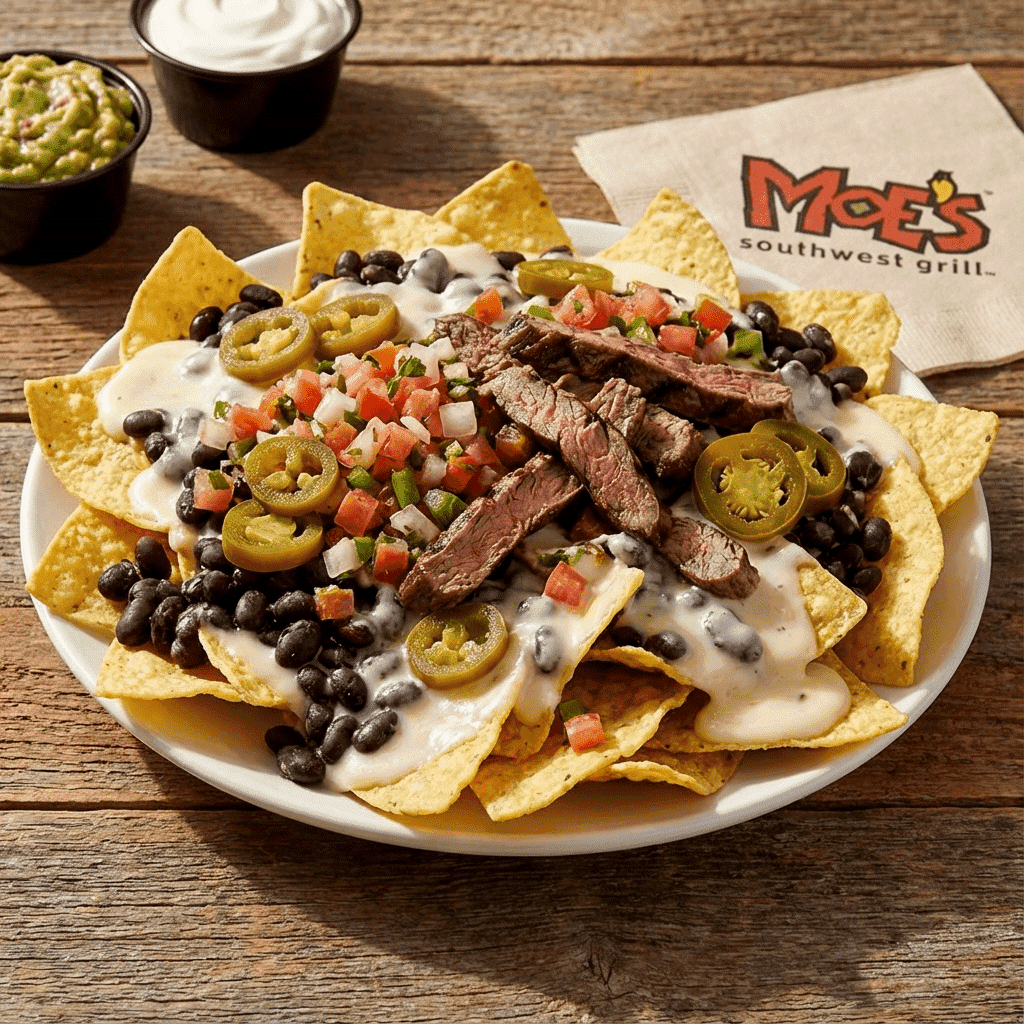
- Sides and queso are the classic trap. A basket of chips with a cup of queso can add 900+ calories on its own, frequently more than the entrée it accompanies.
Understanding Calories and Macros
The four numbers this calculator tracks map directly to how your body uses food. Protein (4 calories per gram) builds and repairs muscle and keeps you full. Carbohydrates (4 calories per gram) are your body's main energy source; at Moe's they come mostly from the tortilla, rice, and beans. Fat (9 calories per gram, the most energy-dense nutrient) comes from cheese, sour cream, guacamole, and fattier proteins. Sodium isn't a calorie source but matters for blood pressure and fluid balance, and Mexican-style fast food tends to be high in it thanks to seasoned meats, cheeses, and salsas.
The Dietary Guidelines for Americans suggest most adults keep sodium under 2,300mg per day, so a single high-sodium order can account for a large share of your daily limit. If you want to translate these numbers into a personal target, our Calorie Calculator and Macro Calculator estimate exactly how much you need based on your body and goals.
Building a Meal for Your Goal
There is no single "healthy" order, only the order that fits what you're trying to do. Here's how to approach the menu for the three most common goals:
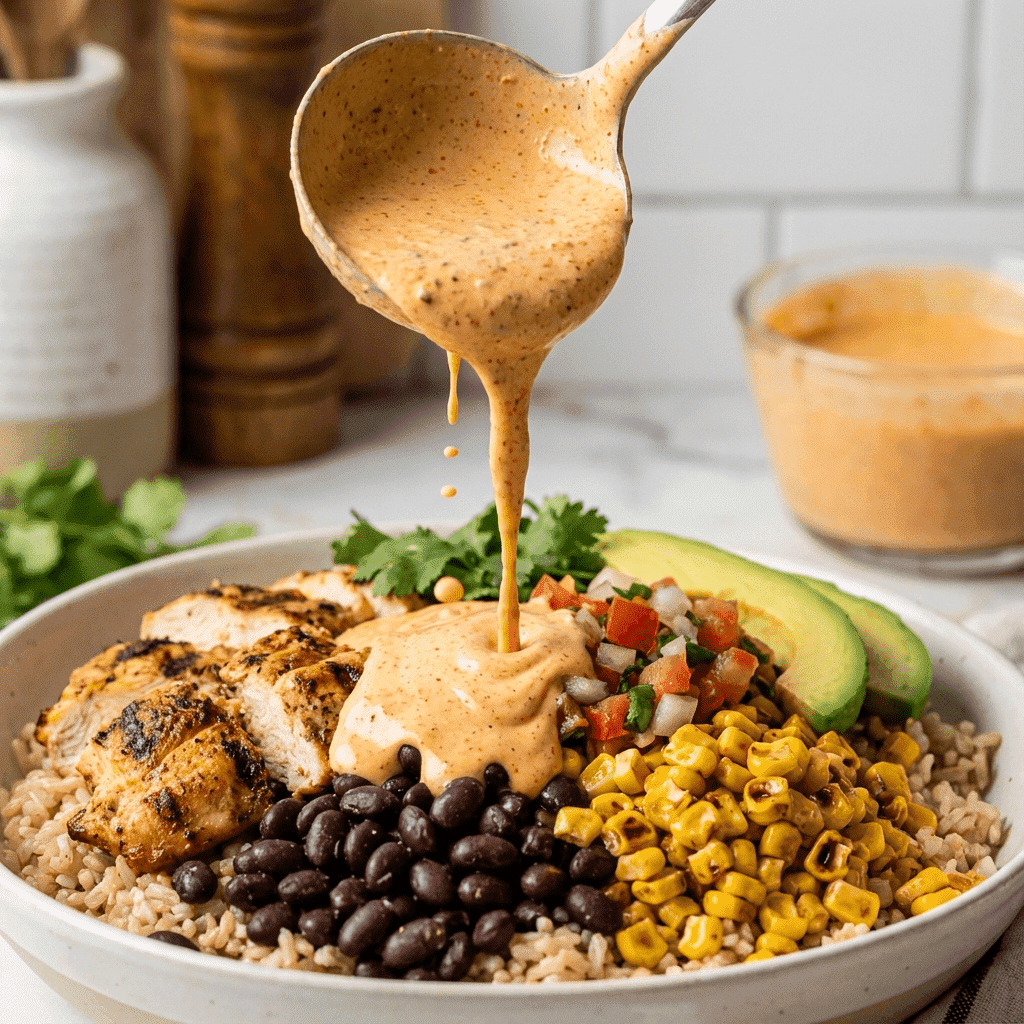
- Weight loss: Order a bowl instead of a burrito, choose a lean protein like adobo chicken, load up on vegetables and salsa, and skip or halve the rice, cheese, and sour cream. This typically keeps a filling meal in the 400–600 calorie range.
- Muscle gain: Prioritize protein by adding a double portion, keep the rice and beans for energy and carbohydrates, and add guacamole for healthy fats. The tortilla is fine here if you have the calorie budget for it.
- Maintenance: A standard burrito with a single protein, moderate toppings, and salsa instead of creamy sauces lands in a reasonable range for most people. Save the chips and queso for an occasional treat rather than a default add-on.
Whatever your goal, the smart swaps table above shows how small substitutions, bowl over burrito, salsa over sour cream, beans over chips, can save hundreds of calories without leaving you hungry.